Insights
3D game art guides and outsourcing advice
Practical advice from our production floor: how 3D assets are made, topology, UVs, textures, optimization, rigging, plus briefs, test tasks and pricing.
 What Is 3D Modeling? A Beginner-Friendly Guide for GamesWhat 3D modeling is, how meshes, vertices and polygons work, the main types of modeling and the software artists use to make game assets.
 How a 3D Game Asset Is Made: The Full Pipeline, Step by StepThe complete 3D game asset pipeline: reference, blockout, high poly sculpt, retopology, UV unwrap, baking, texturing, rigging, export and engine testing.
 Topology in Game Art: Why Edge Flow MattersWhat topology is in 3D, why clean edge flow matters for animation, shading and performance, and the rules good game artists follow.
 Game Asset Optimization: Draw Calls and TexturesHow to optimize 3D game assets: polygon budgets, draw calls, texture memory, LODs, atlasing and mobile performance, explained clearly.
 UV Mapping Explained: How 3D Models Get Their TexturesWhat UV mapping and UV unwrapping are, what seams, islands and padding mean, and how to avoid stretched textures on game models.
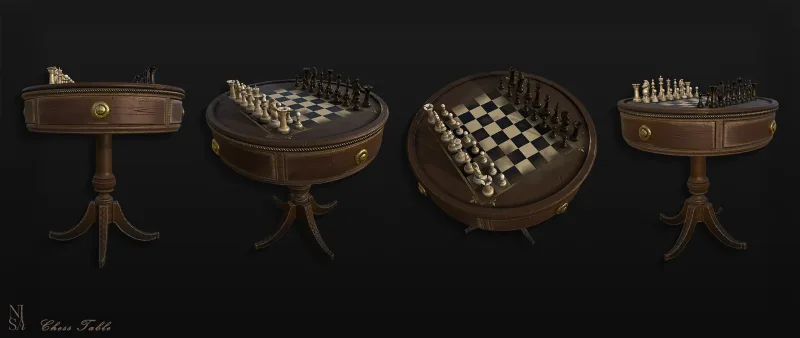 What Is a UV Atlas (Texture Atlas)? Why Games Use ThemWhat a UV atlas or texture atlas is, how it reduces draw calls, when to use it, and the trade-offs including trim sheets and mipmap bleeding.
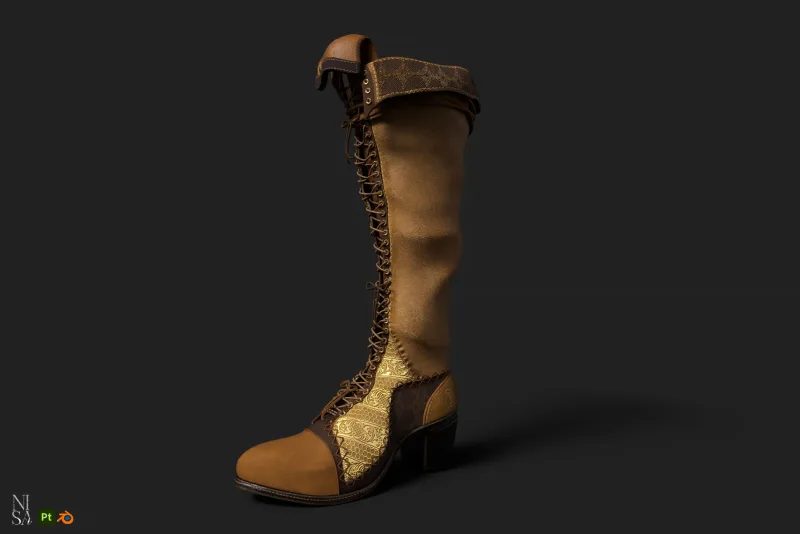 Game Texturing Basics: Hand-Painted vs PBRAn introduction to texturing for games: hand-painted and PBR styles, the texture maps you need, resolution, compression and common mistakes.
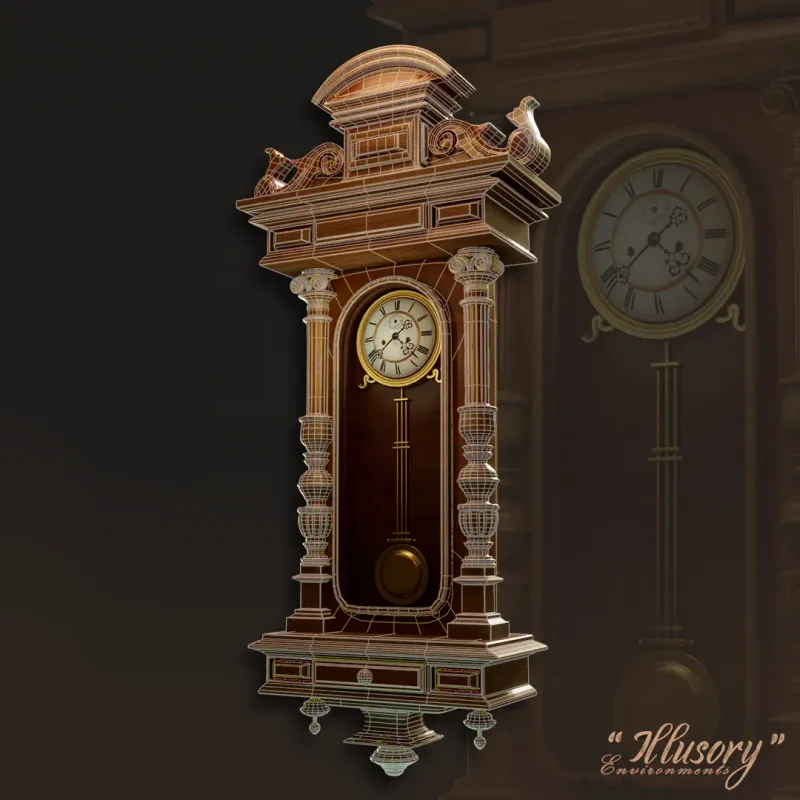 PBR Textures Explained: Albedo, Normal, Roughness and MetallicA clear explanation of PBR texturing: metallic-roughness workflow, what each map does, sRGB vs linear data, and normal map differences between engines.
 Baking Normal Maps: How Low-Poly Models Look High-PolyWhat baking is, what a normal map does, how to bake from a high-poly model to a low-poly, and how to avoid common baking errors.
 LODs Explained: Level of Detail in GamesWhat LODs (levels of detail) are, how many you need, how they are made, how switching works and what to watch out for in Unity and Unreal.
 Texel Density Explained: Keeping Texture Sharpness ConsistentWhat texel density is, how to calculate it, which values suit mobile, PC and console, and how to keep texture detail consistent across a game.
 Polygon Budgets for Mobile GamesPractical starting points for triangle, texture and bone budgets for mobile game characters, props and environments, and how to set your own.
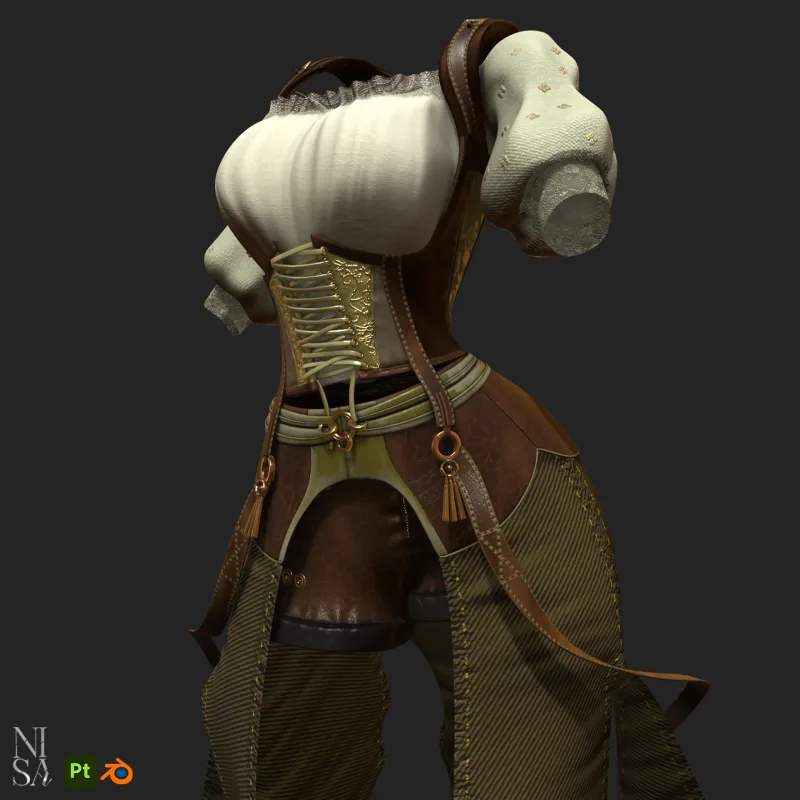 Retopology Explained: Turning Sculpts into Game-Ready MeshesWhat retopology is, why game models need it, manual vs automatic methods, tools and tips for getting clean, deformation-friendly meshes.
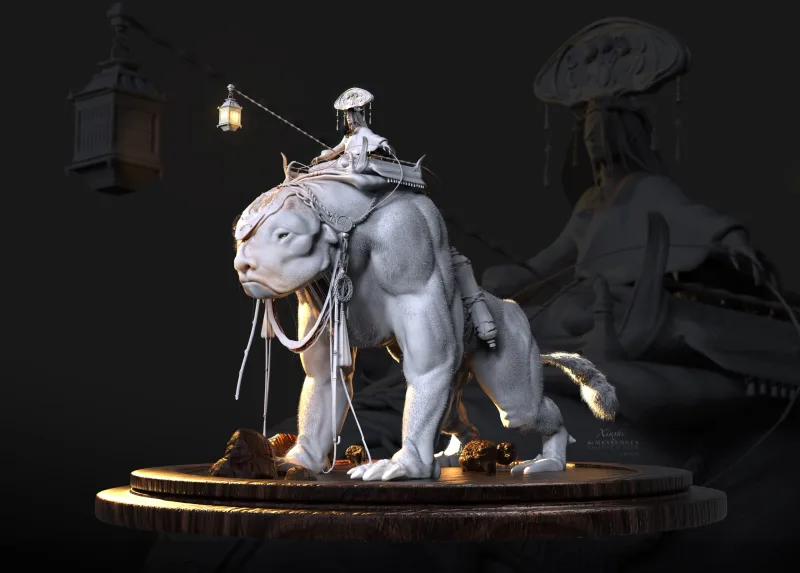 Rigging Basics for Game CharactersWhat rigging is, how skeletons, skinning and weight painting work, what a game-ready rig needs and common problems to avoid.
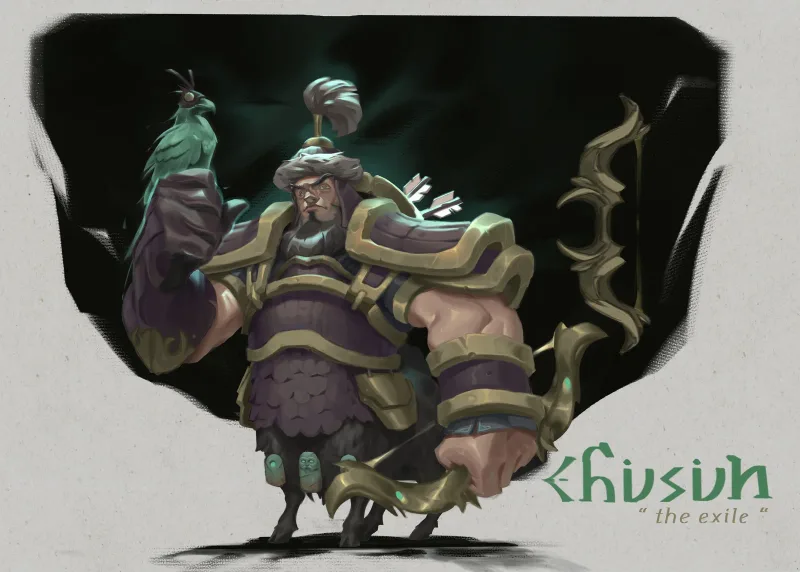 Game-Ready 3D Asset Checklist: What to Check Before You ShipA practical checklist for game-ready 3D assets: scale, pivots, topology, UVs, textures, materials, LODs, naming and export settings.
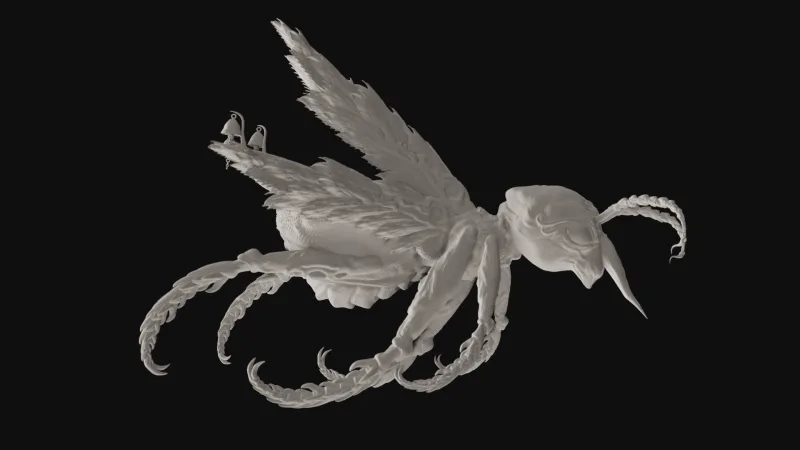 3D File Formats for Games: FBX, glTF, OBJ, USD and BlendA guide to common 3D file formats for games and real-time: FBX, glTF/GLB, OBJ, USD/USDZ and native formats, with when to use each.
 3D Modeling Software for Game Art ComparedA comparison of the main 3D software used in game art: Blender, Maya, 3ds Max, ZBrush, Substance Painter, Marmoset and game engines.
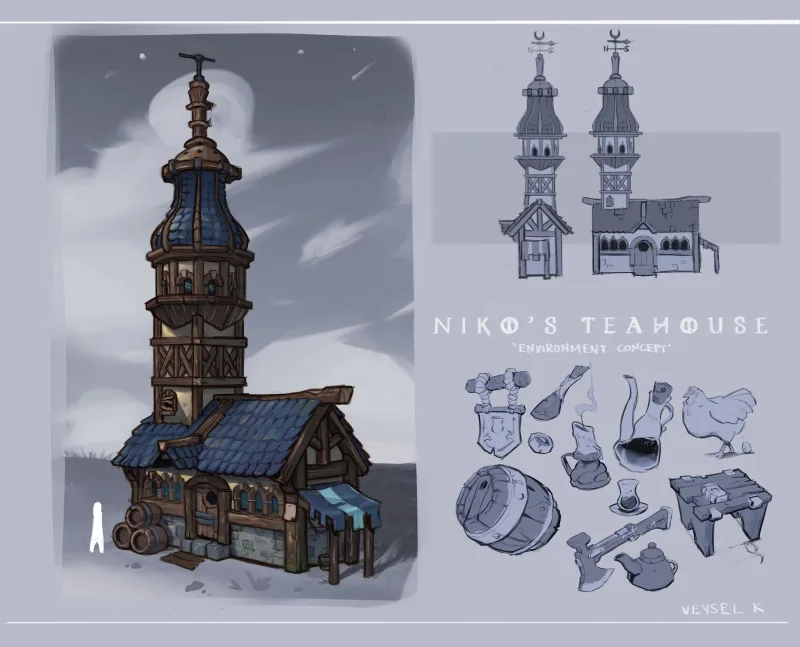 Stylized vs Realistic 3D Art: Which Style Fits Your Game?Differences between stylized and realistic 3D game art in workflow, cost, performance and production, and how to choose the right one for your project.Hard-Surface vs Organic Modeling in 3DThe difference between hard-surface and organic 3D modeling, their workflows, tools and typical game assets such as weapons, vehicles and creatures.How to Outsource Game Art: A Practical GuideA step-by-step guide to outsourcing game art: when to outsource, how to shortlist studios, run a test task, write a brief and keep quality consistent in production.How to Write a Game Art Brief for OutsourcingWhat to include in a game art brief: references, style guide, technical specs, file formats, naming, deadlines and feedback rules. Includes a free brief template.Match-3 Game Art: 7 Rules for Readable Mobile AssetsHow to design match-3 and casual game art that reads at small sizes: silhouettes, color, contrast, lighting, consistency and rendering tips for boosters, tiles and props.What Drives the Cost of Game Art Outsourcing?What drives game art outsourcing prices: complexity, style, poly and texture budgets, revisions, animation and volume, and how to keep the price down.
Prefer to talk it through? Get a free estimate.
Tell us about your project and get a free estimate within one business day.