4 October 2026 · 5 min read
What Drives the Cost of Game Art Outsourcing?
Two quotes for the "same" asset can differ by 3×. Usually neither studio is wrong; they are pricing different assumptions. Here is what actually moves the number.
1. Complexity and detail level
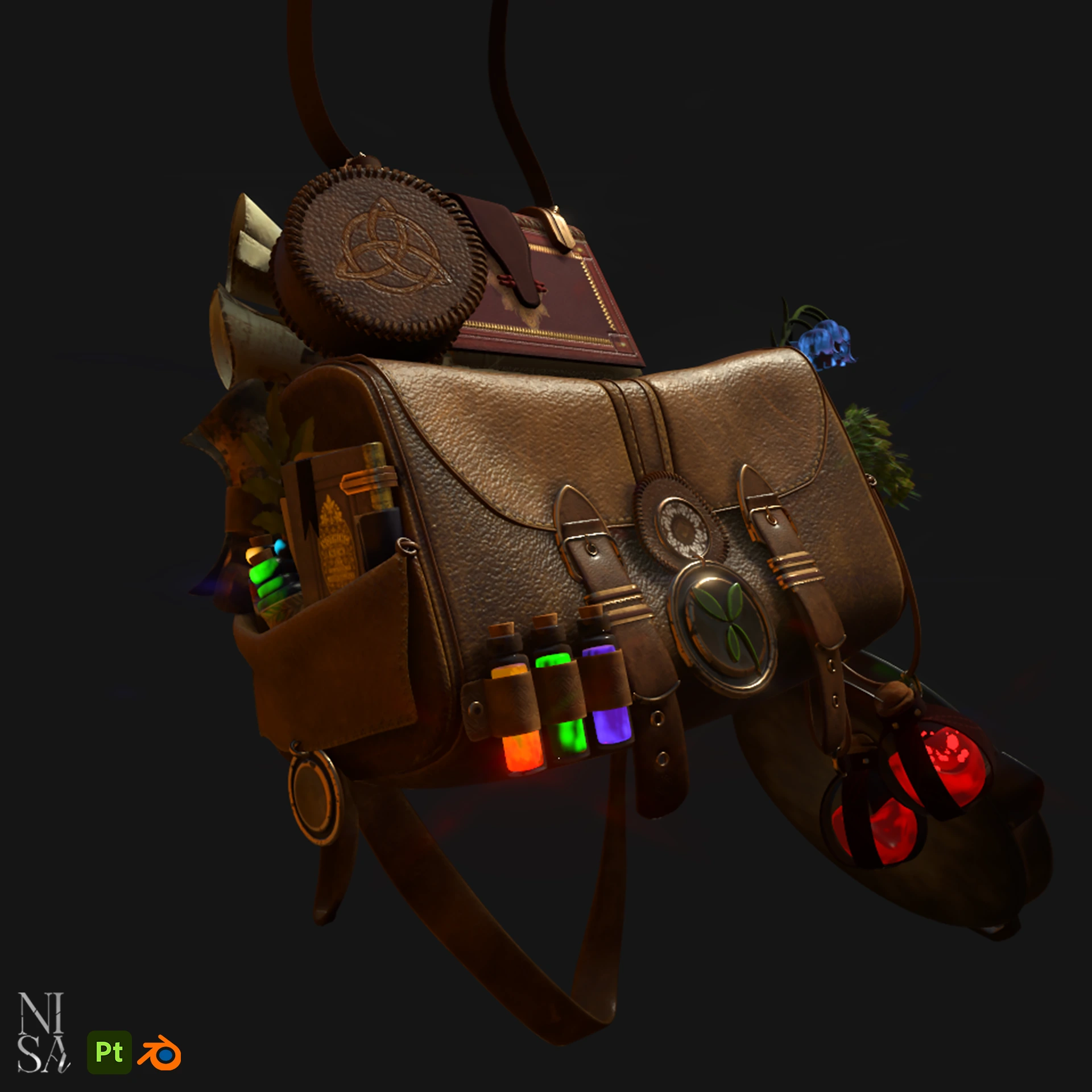
A simple stylized prop and a hero character are different universes. Number of parts, unique materials, and whether high-poly sculpting and baking are needed matter most.
2. Style and texturing method
Hand-painted textures take artist time per asset; PBR pipelines take setup time but scale well. Realistic work needs more reference and look-dev.
3. Technical requirements
Tight poly budgets, LODs, multiple texture sets, rigs and animation all add work, as does engine integration and testing.
4. Revisions and approvals
Clear checkpoints keep revisions cheap. Changing direction after texturing is the most expensive thing that can happen to an asset.
5. Volume and reuse
Asset kits, shared materials and variations of one base model reduce cost per asset significantly. Ordering in batches is usually cheaper than one-offs.
6. Engagement model
- Fixed price: best for clearly defined asset lists.
- Time & material: best when scope evolves.
- Dedicated artist: best for ongoing live-ops content.
How to get an accurate quote
Send a brief with references, specs and quantities (our free brief template covers everything), and start with a small test asset. It is the fastest way to turn a range into a real number.