11 October 2026 · 5 min read
Hard-Surface vs Organic Modeling in 3D
A pistol and a dragon are both 3D models, but artists build them in very different ways. Knowing the difference helps you brief the right artist.
Hard-surface modeling
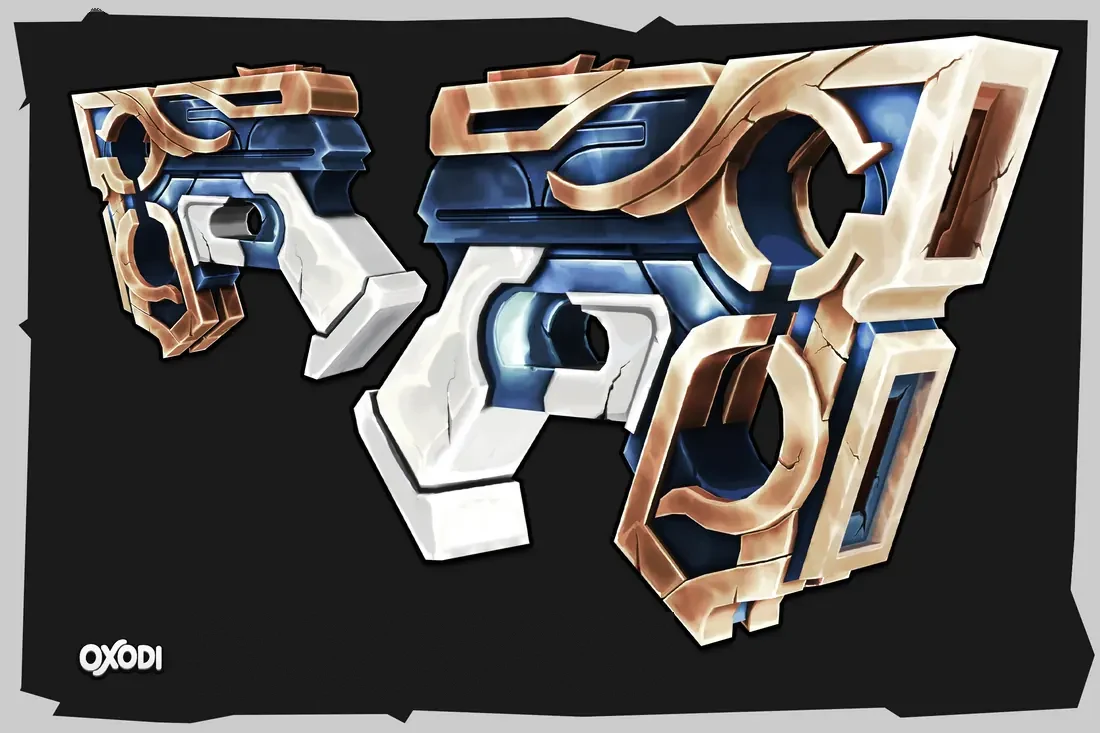
Hard-surface means man-made, rigid objects: weapons, vehicles, robots, props, architecture and machinery. The surfaces are precise, with clean edges, panels, bevels and mechanical details.
- Workflow: blockout, then precise polygon or subdivision modeling, with careful bevels so edges catch light. Often non-destructive tools (booleans, modifiers) are used.
- Key skills: proportion, clean surfaces, understanding how parts fit and function.
- Typical tools: Blender, Maya, 3ds Max, with Substance Painter for texturing.
- Details like panel lines and bolts are often handled by baked normal maps.
Organic modeling and sculpting
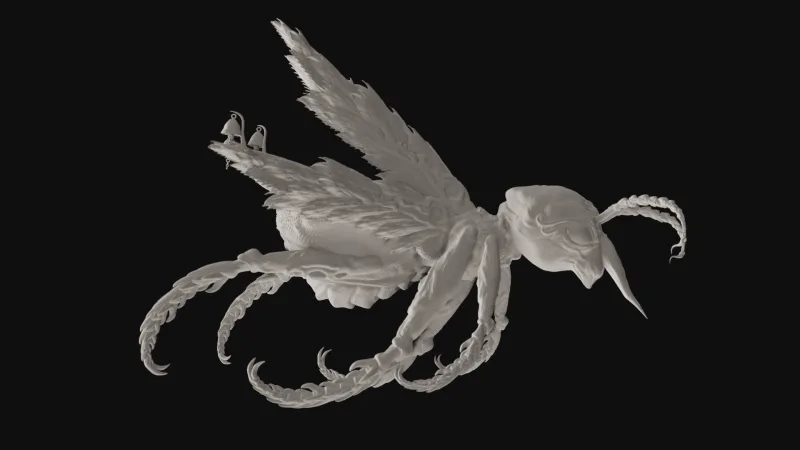
Organic means living or natural forms: characters, creatures, animals, trees, rocks and cloth. Surfaces are soft and irregular, so these models are often sculpted like clay.
- Workflow: sculpt the high-poly in ZBrush or Blender, then retopologize, unwrap, bake and texture.
- Key skills: anatomy, volume, gesture and detailing.
- Topology matters most for animated characters (see topology in game art and rigging basics).
Many assets mix both
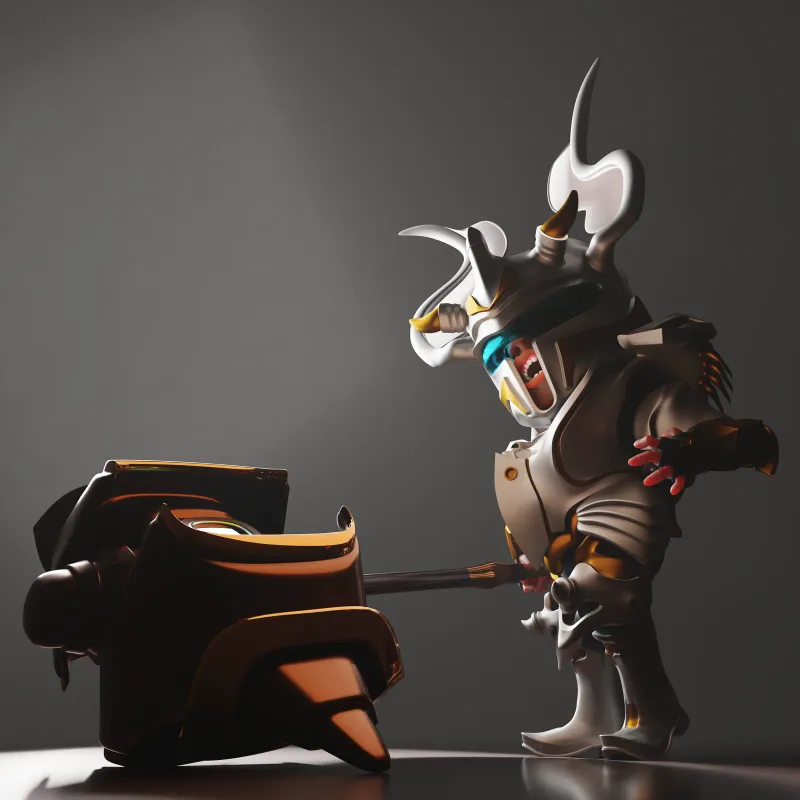
A knight is organic underneath and hard-surface in his armor. Larger teams often split these tasks between specialists; smaller projects use artists comfortable with both.
What it means when you outsource
Describe whether the job is mostly hard-surface, organic or mixed, and show matching references. Hard-surface briefs should mention mechanical detail level and whether parts move; organic briefs should mention anatomy, style (realistic or stylized) and rigging needs. Our brief template has fields for this.
We make weapons, vehicles and props as well as characters and creatures; see our stylized 3D assets service.