10 October 2026 · 6 min read
Retopology Explained: Turning Sculpts into Game-Ready Meshes
A digital sculpt can have millions of polygons arranged in no particular order. Retopology rebuilds it into a clean, light mesh that a game can use.
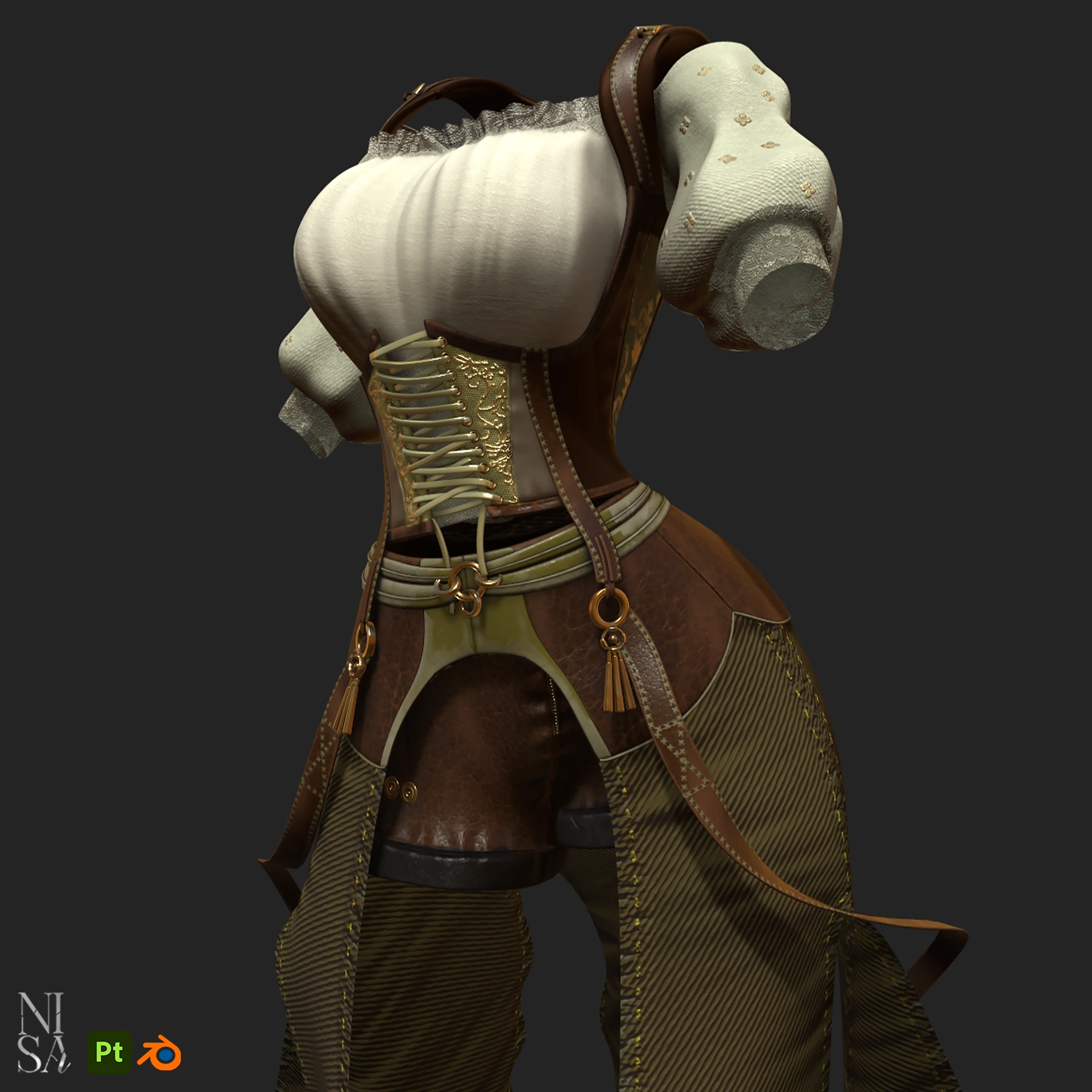
What is retopology?
Retopology (retopo) is the process of creating a new, efficient mesh on top of a detailed model, keeping its shape but with clean topology and a low polygon count. The detailed sculpt is then used as the source for baking.
Why sculpts cannot go straight into a game
- Far too many polygons for real-time rendering.
- Dense, uneven triangles that deform badly when animated.
- No UVs, or UVs that are unusable.
- Huge file sizes that slow down every other step.
Methods
Manual retopology
The artist draws new polygons over the surface by hand, using tools such as Blender's Shrinkwrap and snapping, Maya's Quad Draw, TopoGun or ZBrush's tools. It takes more time but gives full control of edge flow, so it is the best option for characters and animated models.
Automatic retopology
ZRemesher, Quad Remesher, Instant Meshes and similar tools generate a new quad mesh automatically. Results are quick and often good for static props, rocks and base meshes. For anything that bends, the result usually needs manual cleanup.
Decimation
Reducing polygons by algorithm leaves triangles in random arrangements and is not retopology. It can be fine for distant background objects and some LODs.
Tips for good retopology
- Plan the loops first: around eyes, mouth, shoulders, elbows, knees and any joint.
- Follow the form and muscle direction.
- Spend more polygons on the silhouette and less on flat areas.
- Keep quads, avoid n-gons and control poles.
- Mark UV seams at the same time as hard edges.
- Test deformation with a quick pose before committing to the final.
Where it fits in the pipeline
Retopology comes after the high-poly sculpt and before UVs, baking and texturing. See the whole chain in how a 3D game asset is made. We include clean retopology in our character and creature work.